Explore how Green Technology Innovations are transforming energy, transportation, cities, and waste management to create a cleaner and more sustainable future.
The world today faces serious environmental challenges such as climate change, air pollution, and the rapid depletion of natural resources. These problems have encouraged scientists, engineers, and governments to search for smarter and more sustainable solutions. One of the most promising answers to these global challenges is Green Technology Innovations.
Green technology focuses on creating tools, systems, and processes that protect the environment while still supporting economic development. Instead of relying on traditional methods that harm ecosystems, these technologies aim to reduce pollution, improve efficiency, and make better use of renewable resources.
Over the last decade, Green Technology Innovations have begun transforming industries such as energy, transportation, construction, and waste management. These advancements are helping create a future where technology and nature can exist in balance.
Understanding Green Technology
Green technology refers to environmentally responsible innovations designed to minimize damage to the planet. The main goal is to develop systems that reduce carbon emissions, conserve natural resources, and promote sustainability.
Unlike traditional technologies that depend heavily on fossil fuels, green solutions rely on renewable energy sources and efficient resource management. Green Technology Innovations focus on long-term environmental health rather than short-term industrial growth.
For example, solar panels generate electricity without releasing harmful gases, and electric vehicles reduce the need for gasoline. Similarly, eco-friendly construction methods reduce energy consumption in buildings.
By adopting such technologies, societies can significantly lower their environmental footprint while still enjoying the benefits of modern development.
Why Green Technology Matters Today
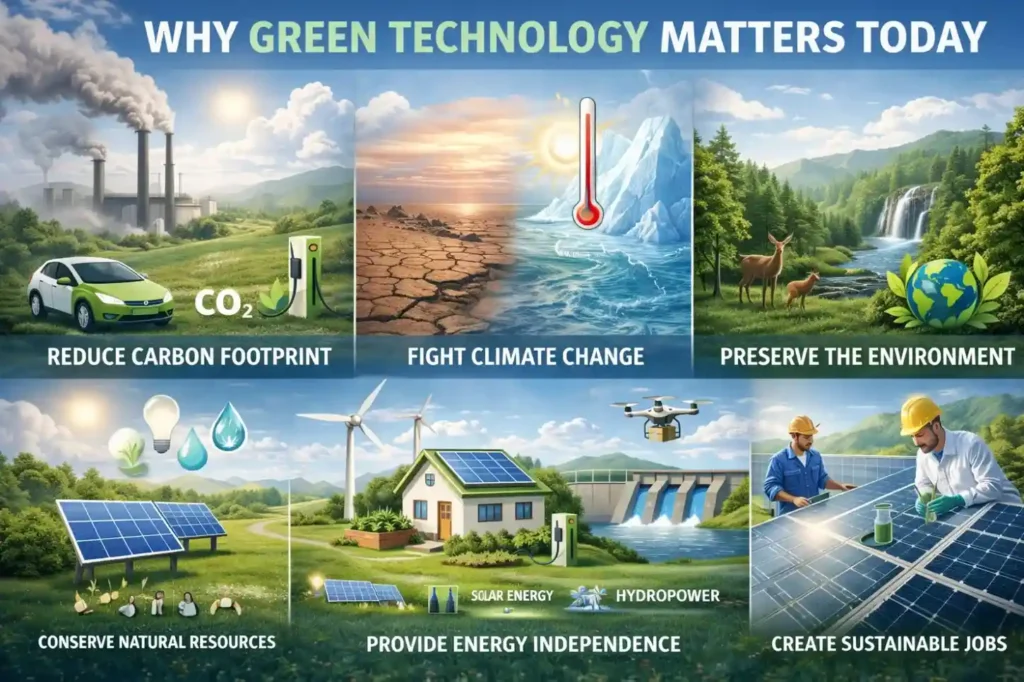
Environmental sustainability has become one of the most important global priorities. Rising global temperatures, extreme weather events, and pollution levels are clear signals that urgent action is needed. Green Technology Innovations provide practical ways to address these issues.
One key advantage is the reduction of greenhouse gas emissions. Technologies such as renewable energy systems produce power without releasing large amounts of carbon dioxide into the atmosphere.
Another important benefit is improved energy efficiency. Many green technologies are designed to use less energy while producing the same or even better results. This not only protects the environment but also lowers operating costs for businesses and households.
Additionally, green technology can create new economic opportunities. As countries invest in sustainable solutions, new industries and job markets are emerging around clean energy, smart infrastructure, and environmental engineering.
Renewable Energy and Green Innovation
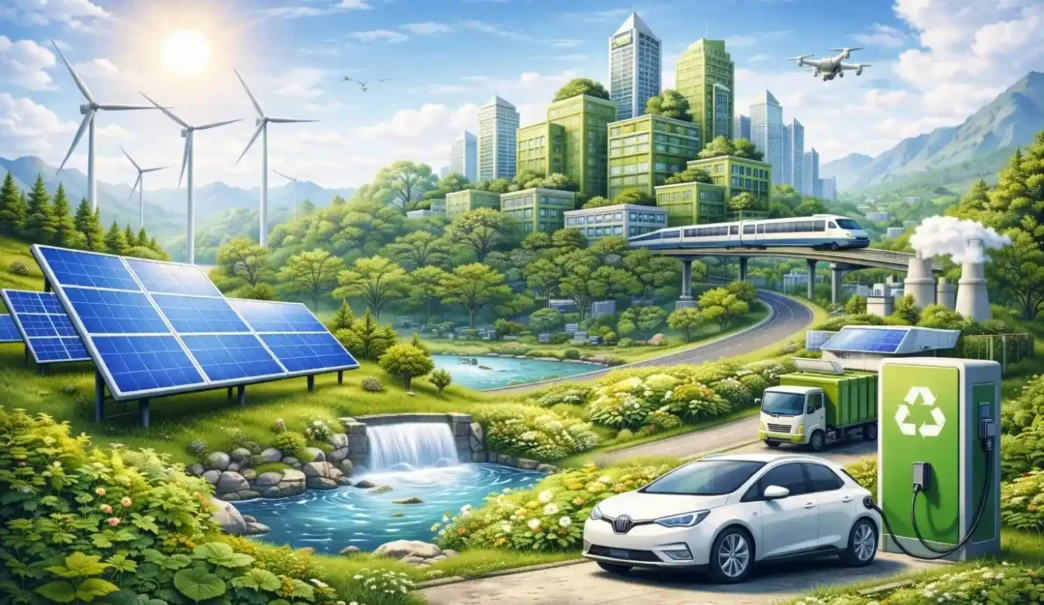
Renewable energy is one of the most important areas where Green Technology Innovations are making a huge impact. Renewable sources provide clean alternatives to fossil fuels and help reduce environmental damage.
Solar Power
Solar energy technology has improved rapidly in recent years. Modern solar panels are more efficient and affordable than ever before. They convert sunlight directly into electricity without producing pollution.
Many homes, businesses, and even large power plants now use solar systems to generate energy. As solar technology continues to evolve, it is expected to play a major role in global energy production.
Wind Energy
Wind turbines use the natural movement of air to generate electricity. Large wind farms are capable of supplying power to entire cities. Wind energy is considered one of the cleanest and most sustainable energy sources available today.
Through ongoing Green Technology Innovations, wind turbines are becoming more efficient and capable of generating power even in areas with lower wind speeds.
Hydroelectric Power
Hydropower uses moving water to generate electricity. Dams and hydroelectric stations have been producing clean energy for many years. New innovations are making these systems more environmentally friendly and efficient.
Together, these renewable energy sources demonstrate how Green Technology Innovations can help reduce dependence on fossil fuels.
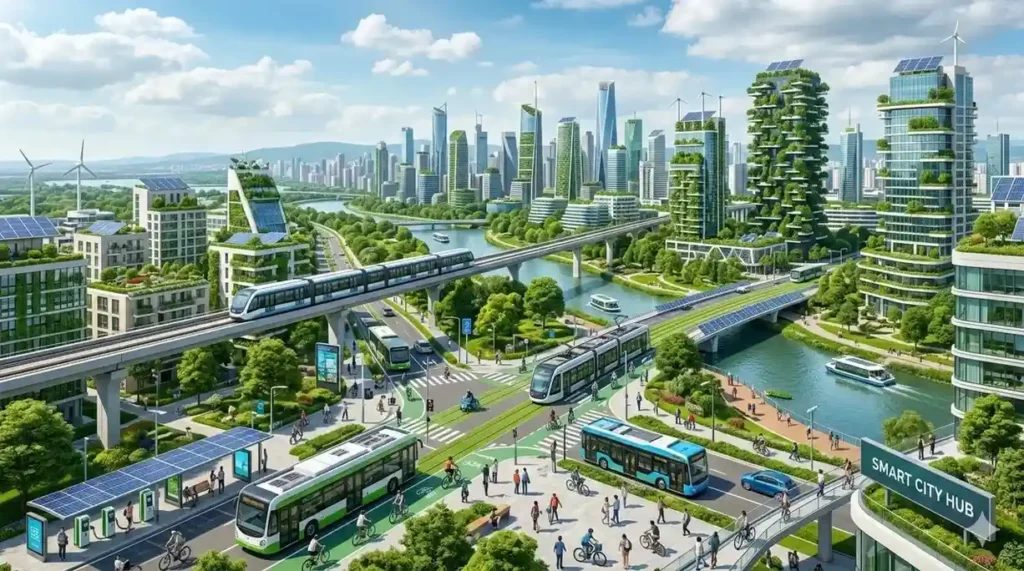
Smart Cities and Sustainable Infrastructure
Urban areas are growing rapidly, and cities consume a large portion of the world’s energy. To address this challenge, many cities are adopting smart technologies that improve efficiency and sustainability.
Smart cities use digital systems to manage electricity, transportation, water supply, and waste management. These technologies allow cities to reduce energy consumption and operate more efficiently.
Green buildings are another important example. These buildings are designed using eco-friendly materials and energy-saving technologies. Features such as smart lighting systems, advanced insulation, and renewable energy integration help lower energy use.
As urban populations continue to grow, Green Technology Innovations will play a critical role in building sustainable and livable cities.
Sustainable Transportation Solutions
Transportation is responsible for a significant percentage of global carbon emissions. To solve this problem, companies and governments are investing heavily in eco-friendly transportation systems.
Electric vehicles are one of the most well-known examples. These vehicles run on rechargeable batteries and produce no direct emissions. Advances in battery technology have made electric cars more efficient and affordable.
Public transportation is also evolving. Many cities are introducing electric buses, metro systems, and high-speed rail networks to reduce traffic congestion and pollution.
Another promising development is hydrogen fuel cell technology. Vehicles powered by hydrogen fuel cells emit only water vapor, making them extremely environmentally friendly.
These transportation developments show how Green Technology Innovations are helping create cleaner mobility solutions.
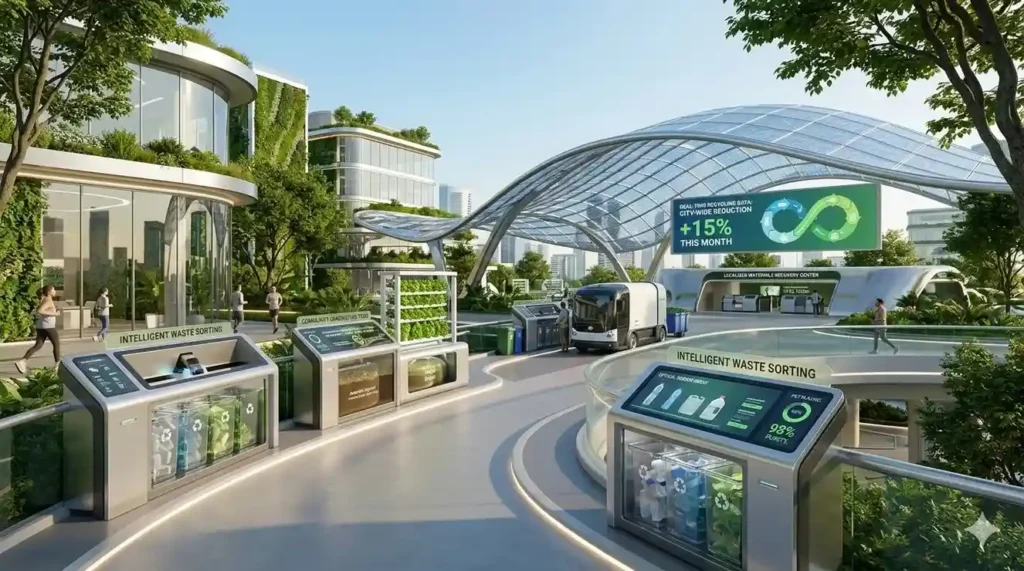
Waste Reduction and Recycling Technology
Waste management has become a serious environmental issue in many parts of the world. Landfills are growing rapidly, and improper waste disposal can pollute soil and water sources.
Modern recycling systems use advanced technologies to process materials such as plastic, metal, and glass more efficiently. These systems help reduce waste while conserving natural resources.
Another important innovation is waste-to-energy technology. These facilities convert waste materials into electricity or heat, providing an alternative energy source while reducing landfill usage.
Organic waste can also be processed through composting technologies to create natural fertilizers. This helps support sustainable agriculture and reduces environmental pollution.
By improving waste management practices, Green Technology Innovations are helping build a circular economy where resources are reused instead of discarded.
Challenges in Adopting Green Technology
Although green technology offers many advantages, there are still challenges to widespread adoption. One of the main obstacles is the initial cost of implementing sustainable systems.
Installing renewable energy infrastructure or upgrading existing facilities often requires significant investment. However, long-term savings and environmental benefits usually outweigh the initial costs.
Another challenge is technological development. Some green technologies are still in early stages and need further research and innovation.
Despite these challenges, increasing awareness and government support are accelerating the adoption of Green Technology Innovations worldwide.
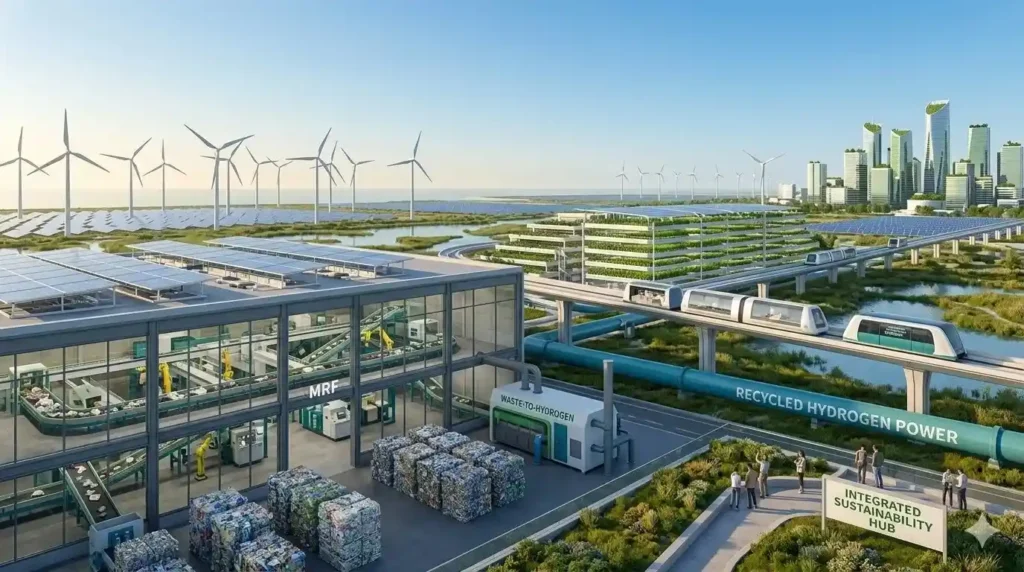
The Future of Green Technology Innovations
The future of environmental sustainability will depend heavily on continued technological progress. Researchers are constantly working on new solutions to improve energy efficiency and reduce environmental impact.
Emerging technologies such as advanced energy storage, carbon capture systems, and biodegradable materials could transform industries in the coming years.
Artificial intelligence is also being used to monitor energy usage, optimize renewable power systems, and predict environmental changes.
As innovation continues, Green Technology Innovations will become even more important in shaping a sustainable global economy.
You May Like : Realme 16 Pro Series
Conclusion
Protecting the environment while supporting economic growth is one of the greatest challenges of our time. Fortunately, technological advancements are providing powerful tools to achieve this balance.
From renewable energy systems to smart cities and sustainable transportation, Green Technology Innovations are helping create a cleaner and healthier world. These technologies not only reduce environmental damage but also open new opportunities for economic development.
By investing in sustainable solutions and encouraging responsible innovation, societies can move toward a future where technology works in harmony with nature.
The continued development of Green Technology Innovations will play a key role in building a greener, smarter, and more sustainable planet for future generations.
FAQs :
1: What is green technology?
Green technology refers to environmentally friendly technologies designed to reduce pollution, conserve natural resources, and support sustainable development.
2: Why is sustainable technology important?
Sustainable technology helps reduce environmental damage, lowers carbon emissions, and ensures that natural resources remain available for future generations.
3: What are some examples of eco-friendly technologies?
Examples include solar power systems, wind turbines, electric vehicles, smart energy grids, and advanced recycling technologies.
UY65H6