Discover the most important future technology trends that will shape the world in the coming years. Learn about AI, quantum computing, green tech, robotics, and more.
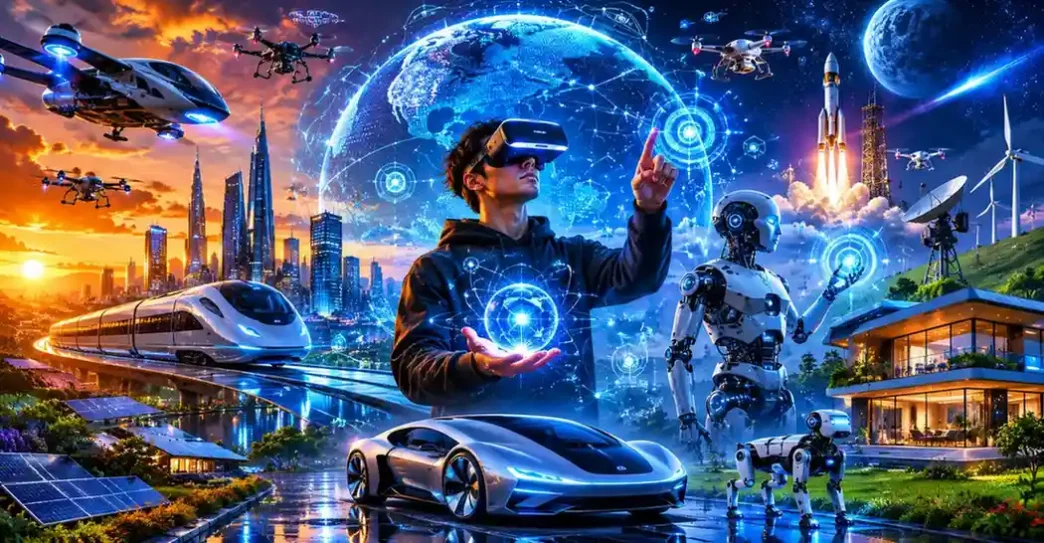
Technology is evolving faster than ever before. Every year new innovations appear that change how we live, work, communicate, and solve global problems. From artificial intelligence to sustainable energy systems, future technology trends are transforming industries and creating opportunities that did not exist just a few years ago.
Understanding these trends is important for students, entrepreneurs, businesses, and anyone who wants to stay prepared for the future. In this article, we will explore the most impactful future technology trends that are expected to shape the next decade and influence our daily lives.
Why Future Technology Trends Matter
Keeping track of future technology trends is not just for tech experts. These developments affect nearly every industry, including healthcare, education, finance, transportation, and entertainment.
New technologies improve efficiency, reduce costs, and create smarter solutions to global challenges. Companies that adapt quickly to technological changes often gain a competitive advantage in the market.
For individuals, learning about these trends can help in choosing the right career path or developing skills that will remain valuable in the future workforce.
Artificial Intelligence and Machine Learning
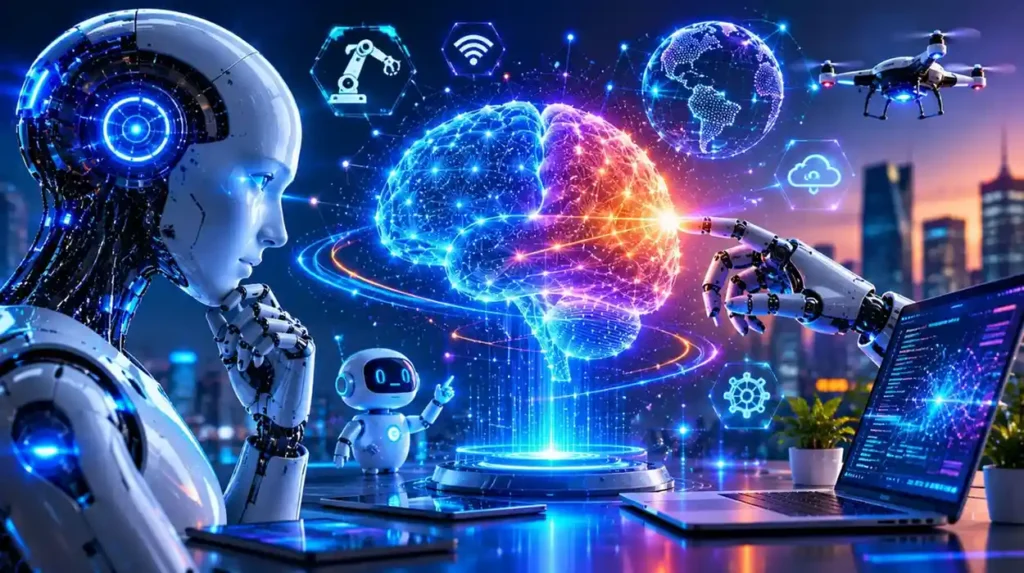
Artificial Intelligence (AI) is one of the most powerful future technology trends shaping the digital era. AI systems are becoming smarter and more capable of performing complex tasks such as analyzing data, recognizing images, and even generating human-like content.
Machine learning, a branch of AI, allows computers to learn from data and improve their performance over time without being explicitly programmed.
AI is already being used in many areas, including:
- Smart assistants and chatbots
- Healthcare diagnostics
- Financial fraud detection
- Autonomous vehicles
- Personalized recommendations
In the coming years, AI will become even more integrated into everyday life, helping businesses automate processes and improving decision-making through advanced data analysis.
Quantum Computing
Quantum computing is another revolutionary development among future technology trends. Unlike traditional computers that process information using bits (0s and 1s), quantum computers use quantum bits or qubits.
This allows them to perform complex calculations much faster than classical computers.
Although quantum computing is still in its early stages, it has the potential to transform fields such as the following:
- Drug discovery and healthcare research
- Climate modeling
- Cryptography and cybersecurity
- Financial market simulations
When fully developed, quantum computers could solve problems that are currently impossible for conventional computers.
Green Technology and Sustainable Innovation
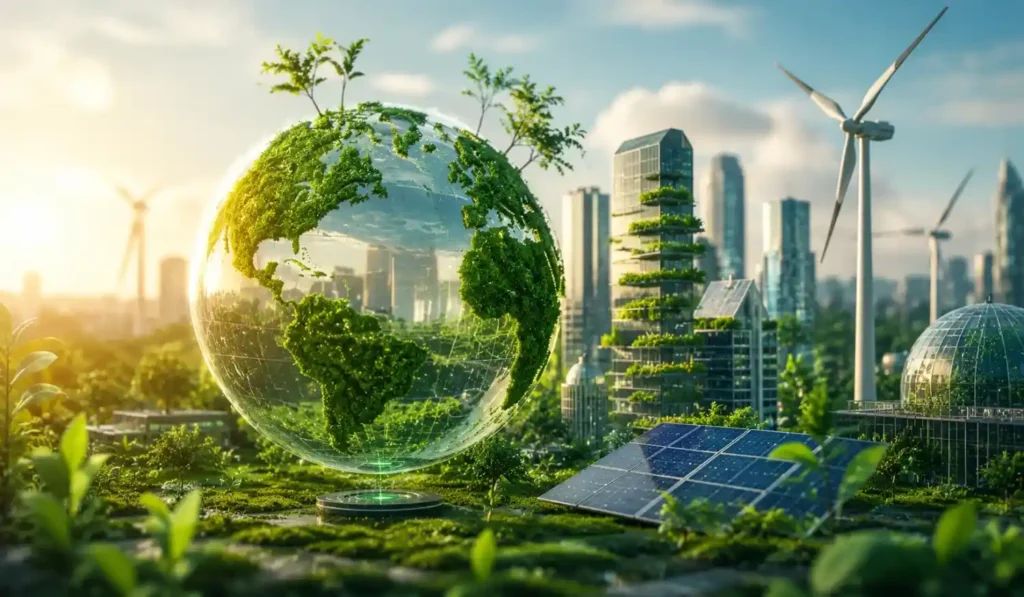
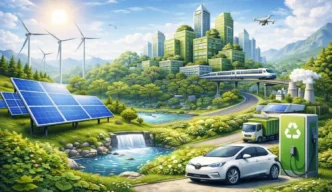
As the world faces environmental challenges like climate change and resource depletion, sustainable solutions are becoming essential. Green technology is emerging as one of the most important future technology trends.
This field focuses on developing technologies that reduce environmental impact while supporting economic growth.
Examples of green innovations include:
- Renewable energy systems such as solar and wind power
- Smart energy grids
- Electric vehicles
- Carbon capture technologies
- Energy-efficient buildings
Governments and companies around the world are investing heavily in sustainable technology to create a cleaner and more sustainable future.
The Rise of Robotics and Automation
Robotics and automation are rapidly transforming industries and workplaces. Modern robots are capable of performing tasks with high precision, efficiency, and speed.
This makes robotics one of the most influential future technology trends in manufacturing, logistics, healthcare, and agriculture.
For example:
- Industrial robots assemble products in factories
- Medical robots assist surgeons in complex procedures
- Agricultural robots help farmers monitor crops and harvest efficiently
Automation also helps businesses reduce operational costs and improve productivity while allowing humans to focus on more creative and strategic tasks.
The Expansion of the Internet of Things (IoT)
The Internet of Things (IoT) refers to a network of connected devices that communicate and exchange data through the internet. From smart homes to smart cities, IoT technology is becoming increasingly common.
Among future technology trends, IoT stands out because it connects everyday devices to create more intelligent environments.
Examples include:
- Smart home devices like thermostats and security systems
- Connected healthcare devices for remote monitoring
- Smart transportation systems
- Industrial IoT for predictive maintenance
As more devices become connected, IoT will continue to improve efficiency, convenience, and safety in daily life.
Extended Reality: AR, VR, and Mixed Reality
Extended reality technologies, including augmented reality (AR), virtual reality (VR), and mixed reality (MR), are rapidly evolving. These immersive technologies are changing how people learn, work, and interact with digital content.
In education, VR allows students to explore virtual environments and conduct interactive learning experiences. In the gaming industry, AR and VR create more immersive entertainment.
Businesses are also adopting extended reality for training simulations, virtual meetings, and product visualization.
As hardware becomes more advanced and affordable, extended reality will become an even more significant part of future technology trends.
5G and Advanced Connectivity
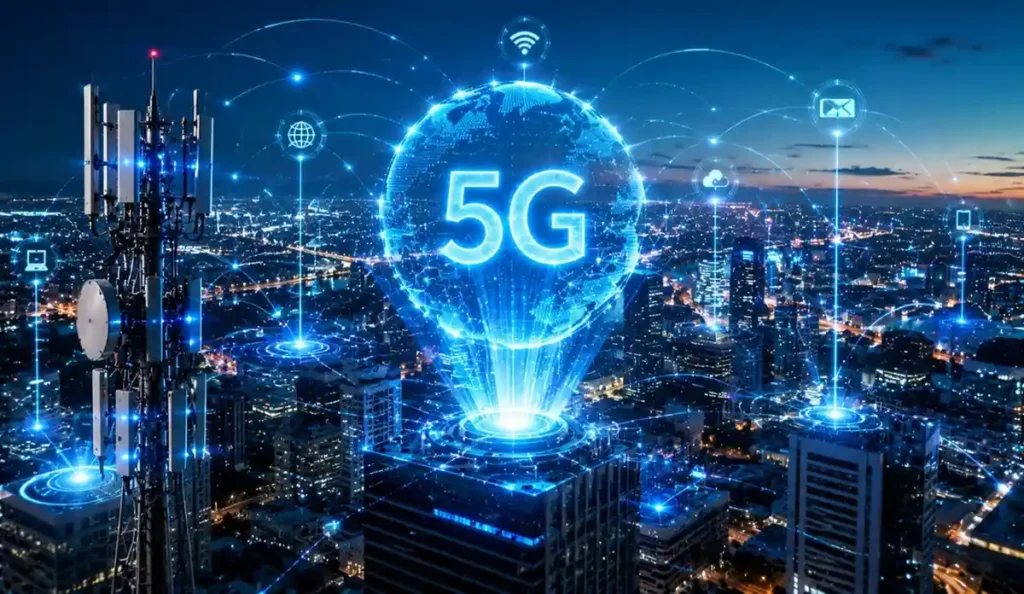
The rollout of 5G networks is another major development shaping the future of technology. 5G offers significantly faster internet speeds, lower latency, and improved connectivity compared to previous generations.
This technology enables innovations such as the following:
- Smart cities
- Autonomous vehicles
- Remote surgery
- Real-time cloud gaming
- Advanced IoT applications
With faster and more reliable connectivity, 5G will accelerate many other future technology trends and support the development of next-generation digital services.
Cybersecurity Innovations
As digital technologies continue to expand, cybersecurity becomes increasingly important. Protecting sensitive data and digital infrastructure is a major priority for governments and businesses.
Future cybersecurity solutions will rely on AI-powered threat detection, advanced encryption methods, and zero-trust security models.
Among all future technology trends, cybersecurity plays a crucial role in ensuring that digital systems remain safe and reliable in an increasingly connected world.
The Future of Technology and Human Collaboration
While technology continues to advance rapidly, the human role remains essential. The most successful innovations often combine advanced technology with human creativity and critical thinking.
Future workplaces will likely involve collaboration between humans and intelligent machines. Workers who develop skills in problem-solving, digital literacy, and adaptability will be better prepared for the evolving job market.
Understanding future technology trends can help individuals and businesses stay ahead and take advantage of new opportunities created by technological progress.
Conclusion
Technology is reshaping the world at an unprecedented pace. Innovations in artificial intelligence, robotics, quantum computing, and sustainable energy are driving the most impactful future technology trends.
These developments are not only transforming industries but also improving the quality of life for people around the world. As technology continues to evolve, staying informed about these trends will help individuals and organizations adapt to the future.
By embracing innovation and learning new skills, we can all be part of a smarter, more connected, and sustainable technological future.