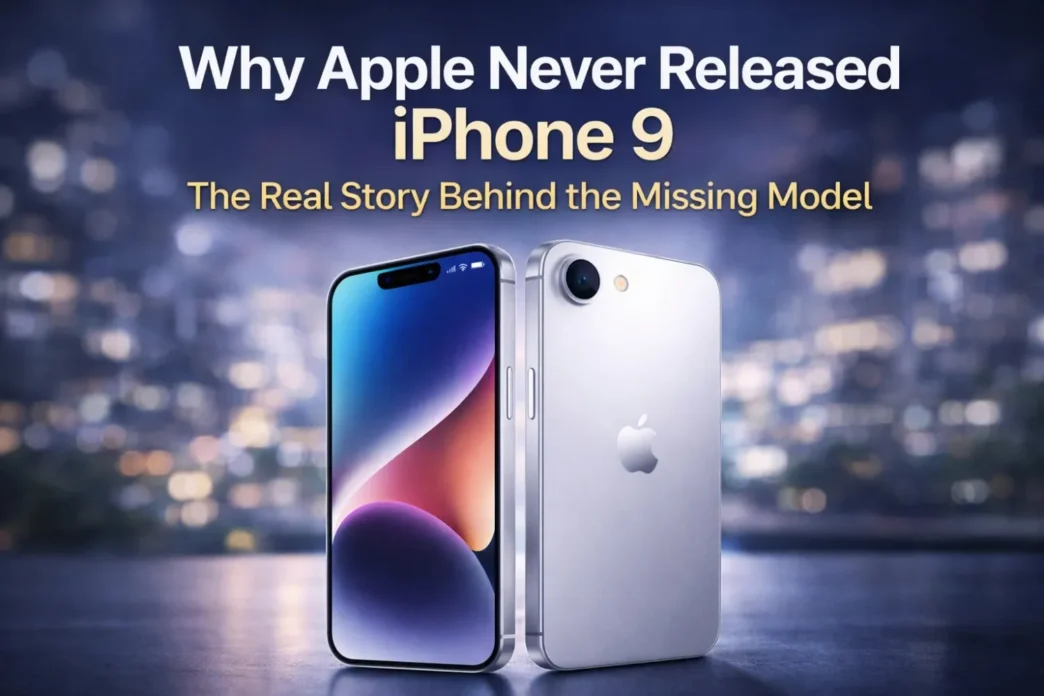
Apple skipped iPhone 9 and jumped straight to iPhone X, leaving users confused for years. Here is the shocking truth behind why Apple made this decision and what it really meant.
Why Apple Never Released iPhone 9
When Apple unveiled the iPhone X in 2017, one thing instantly got people talking. Apple jumped straight from iPhone 8 to iPhone X, completely skipping iPhone 9. For many users, it felt strange. Did Apple cancel it? Was there some secret problem with the number 9? Or was it just a marketing trick?
The truth is, Apple skipped iPhone 9 for some very smart and intentional reasons.
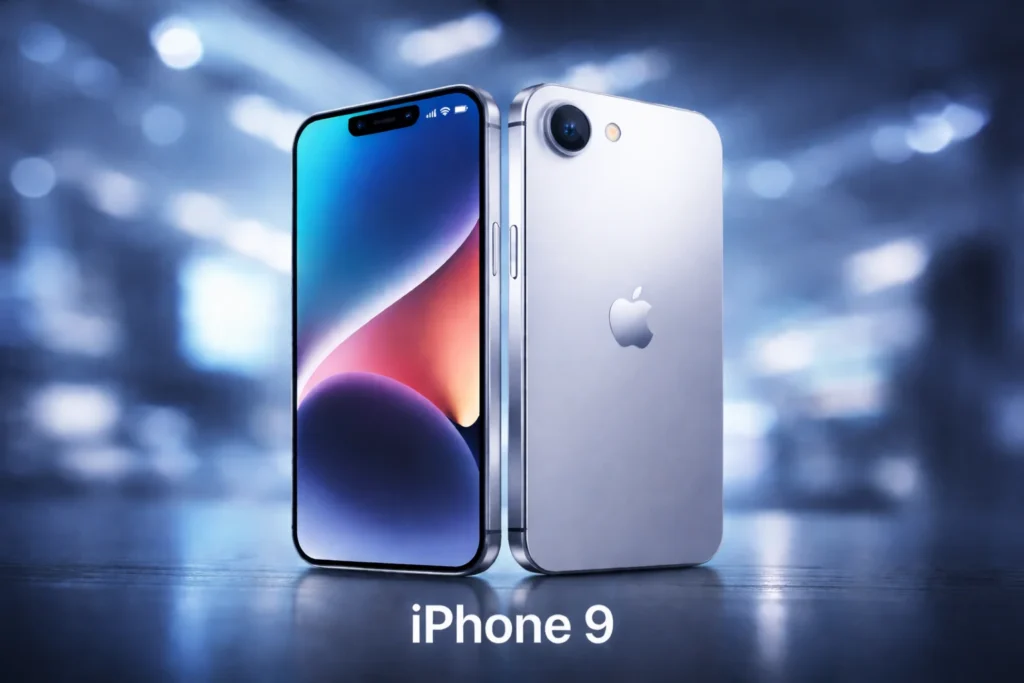
Apple’s 10-year celebration strategy.
First of all, 2017 was a special year for Apple. It marked 10 years since the very first iPhone was launched in 2007. Apple didn’t want this moment to feel like just another yearly upgrade. So instead of calling the phone iPhone 9, they named it iPhone X — where “X” stands for the Roman numeral for ten. That simple name turned the phone into a symbol of a decade of innovation. If they had called it iPhone 9, it would have felt ordinary. iPhone X made it feel historic.
The second big reason was the design change.
The iPhone X was not just a slightly improved iPhone. It was a completely new kind of iPhone. It removed the home button, introduced Face ID, and brought a full-screen design. Apple wanted people to feel that this was the beginning of a new era. Skipping iPhone 9 helped send that message. It made it clear that this phone was different from anything before.
Then comes the marketing angle. Numbers affect how people think more than we realize. Going from iPhone 8 to iPhone 9 would have felt like a small step forward. But jumping from iPhone 8 to iPhone X felt like a big leap into the future. The name iPhone X sounded more premium, more advanced, and more exciting. Even before people saw the phone, the name alone made it feel special.
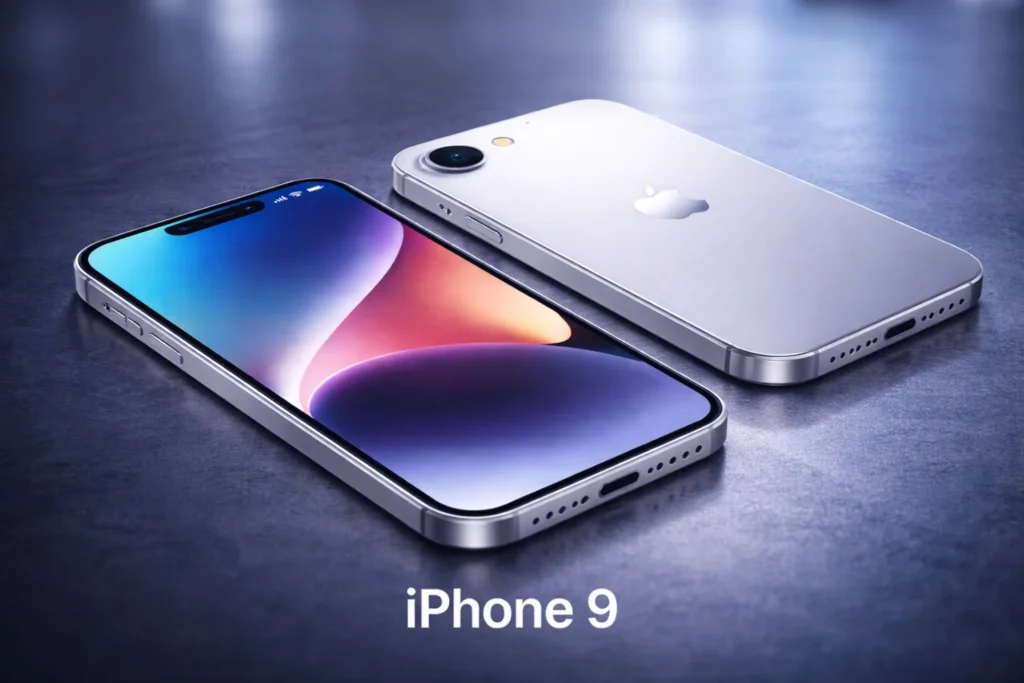
The third main reason was marketing and perception.
Numbers strongly influence how people think. Going from iPhone 8 to iPhone 9 would have felt like a small and safe upgrade. But going from iPhone 8 to iPhone X felt like a huge leap into the future. Apple understands this psychology very well. The name iPhone X made the device sound more premium, more powerful, and more advanced even before people held it in their hands. This helped Apple create excitement and hype around the launch.
Along with these three big reasons, there was also a technical side to the decision. In software and digital systems, the number nine has sometimes caused confusion. Older programs and databases can misread products with “9” in their name as outdated. Apple wanted to avoid any risk of compatibility issues with apps, iOS versions, or accessories. Skipping iPhone 9 helped keep everything smooth and simple.
Competition also played a role. In 2017, brands like Samsung were pushing bold designs and futuristic features. Apple needed something that would stand out. The name iPhone X sounded modern and high-end, while iPhone 9 would have sounded safe and boring. Apple wanted its flagship phone to feel like the most advanced device on the market.
Today, it is clear that iPhone 9 will never exist. Apple has already moved on with iPhone 11, 12, 13, 14, 15, 16 ,17 and newer models. Going back to iPhone 9 would only confuse users and make the lineup feel strange. The number was skipped for a reason, and Apple has no reason to look back.
So the shocking truth is simple. Apple did not forget about iPhone 9. It was skipped on purpose to celebrate ten years of the iPhone, launch a new design era, and create a stronger, more powerful brand image. What looked like a missing model was actually a smart move that helped shape the modern iPhone we know today.ne was actually a smart business move that helped shape the modern iPhone we use today.
Also Know About : Realme 16 Pro Series Arrives